A New Lining Inside the Pipe You Have
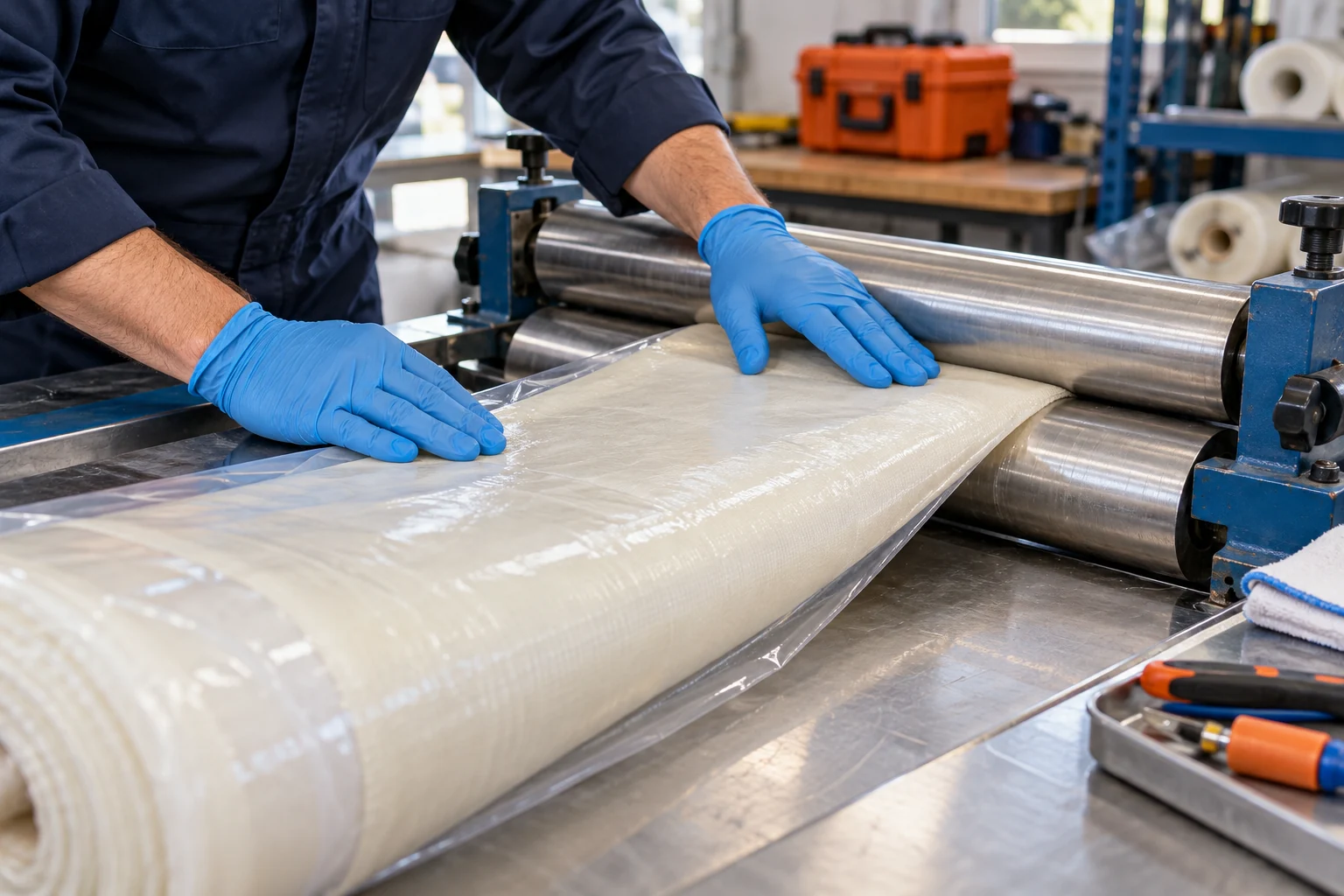
Cured-in-place pipe lining, often called CIPP, installs a resin-saturated liner inside an existing sewer. A compatible curing system hardens the resin, forming a new lining within the pipe.
The HammerHead Bluelight system uses resin formulated to cure under blue LED light. On suitable lines, this can reduce excavation through landscaping and paved areas. We assess the pipe, access points and connections before recommending it.
The Work Before the Liner Matters
A lining job starts with understanding the old pipe. Its condition, shape and access determine the preparation needed and whether lining is a sensible choice.
- Inspect the pipe and identify damaged areas.
- Clean the line and address any necessary spot repairs.
- Install compatible liner materials and cure them as specified.
- Inspect the completed lining and review the work.
Less Digging Is Appealing. The Pipe Still Has to Qualify.
Lining follows the pipe’s existing route and slope. It won’t raise a low spot, or belly, and it cannot restore a collapsed opening by itself. A collapse or severe offset may need excavation first.
We’ll explain whether lining fits your line or whether sewer line repair or replacement is the better way to address the problem.
We’re accepting sewer lining jobs now. Contact us to discuss your pipe, arrange an assessment and talk through scheduling.
Compare the Whole Job, Not Just the Liner
Where lining is suitable, less excavation may mean less surface restoration. But access, cleaning and any separate repairs also affect the project cost.
We’ll explain the complete scope in a written estimate. As with our repair work, the goal is practical value: low overhead, careful planning and a price that reflects the work needed. Lining installations include our 10-year transferable workmanship warranty, subject to your written agreement.
Other Ways to Address a Damaged Sewer
Sewer ReplacementSewer Repair